Syntax Error: Fixing communication gaps between devs and clients

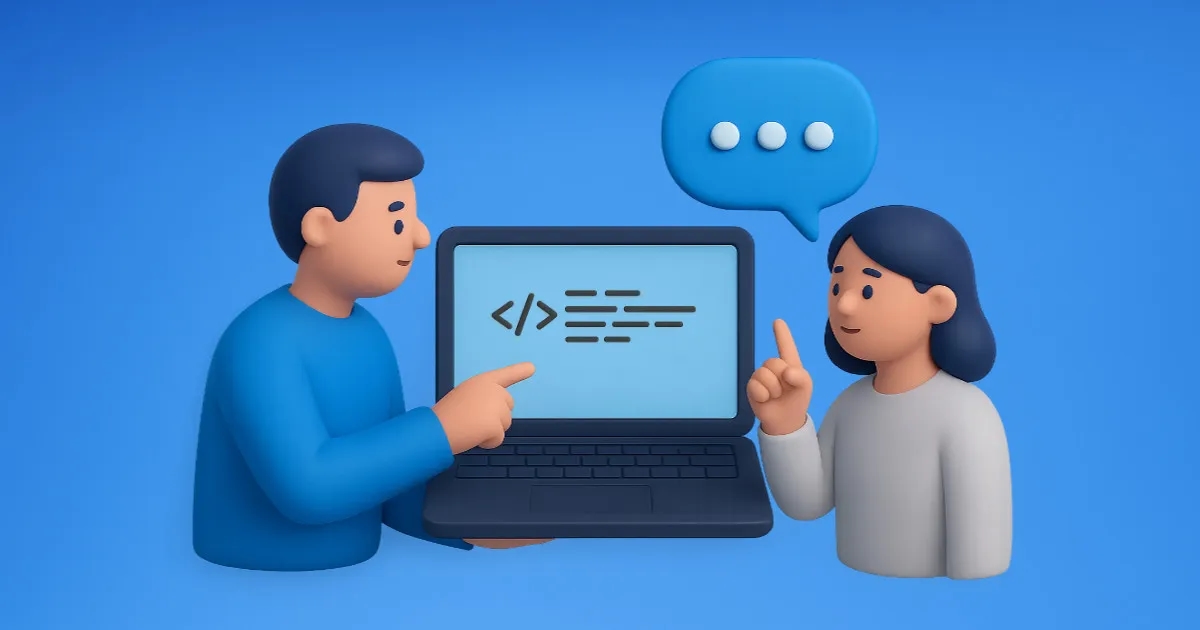
Every seasoned developer knows the trickiest bugs aren’t always in the code; they’re often in communication. Misunderstandings between developers and clients can derail even the most promising projects, leading to missed deadlines, inflated budgets, and frustration on both sides.
In an industry where technical jargon meets business goals, ensuring everyone speaks the same “project language” is crucial.
Why Communication Breaks Down
Miscommunication between dev teams and clients often comes down to three key issues:
- Different languages: Developers talk in frameworks, APIs, and functions; clients think in features, goals, and outcomes.
- Assumed knowledge: What seems obvious to one side can be completely alien to the other. This absolutely works both ways.
- Poor documentation: A lack of clear specs or shifting requirements (scope creep) can create chaos.
These gaps aren’t about capability, they’re about clarity.
Bridging the Gap
So, how can we communicate better?
1. Translate Technical Jargon into Real Outcomes
Clients care about what a feature does, not how it’s built. Framing updates in terms of business value rather than technical detail helps everyone stay aligned.
2. Use Collaborative Tools Wisely
Platforms like Jira, Trello, and Notion aren’t just for task management - they’re communication lifelines. When used effectively, they provide a transparent view of progress and priorities, keeping clients in the loop without overwhelming them.
3. Set Clear Expectations, Early
Kick-off meetings should establish not just timelines, but also communication rhythms. Who’s responsible for updates? How often will demos be provided/updated? How are feedback rounds handled? Clarity upfront prevents confusion down the line.
4. Document Everything
Good documentation turns conversations into accountability. Meeting summaries, clear change-logs, and updated project scopes reduce misunderstandings and help teams stay on track.
5. Foster Empathy
Developers should understand the client’s business context, while clients should appreciate the technical complexities involved. Empathy turns a transactional relationship into a collaborative one.
Clear Communication → Project Success
When developers and clients communicate effectively, projects move faster, quality improves, and relationships strengthen. In essence, the best software isn’t just well-coded, it’s well-communicated.