The Accessibility Advantage: Building software everyone can use

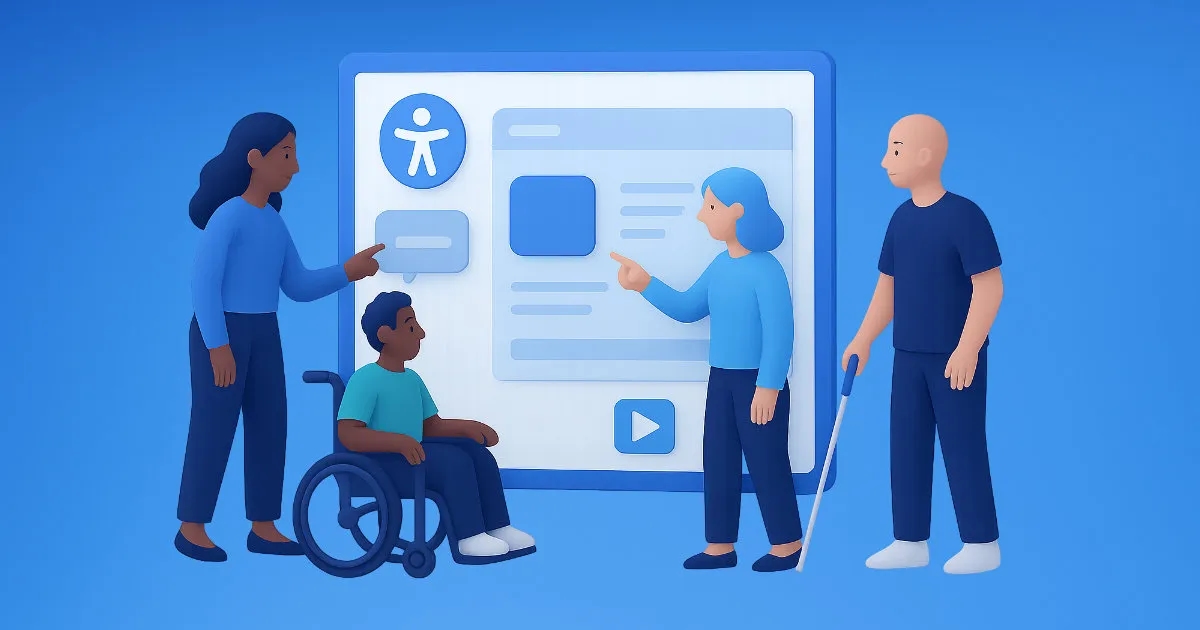
In today’s digital-first world, accessibility is no longer just a “nice-to-have” feature. It’s a critical component of software design that ensures everyone - regardless of ability - can use your products. From websites to custom enterprise software, prioritising accessibility isn’t just ethically responsible; it also makes business sense.
Why Accessibility Matters
Accessibility ensures that people with visual, auditory, motor, or cognitive impairments can interact with your software effectively. According to the World Health Organisation, an estimated 1.3 billion people worldwide live with some form of disability. Of course not all disabilities are directly affected by online accessibility, but there’s still a significant portion of potential users who could be excluded if your software isn’t designed with accessibility in mind.
Beyond inclusivity, accessible software often benefits all users. Features like clear navigation, high-contrast text, and keyboard shortcuts can improve usability for everyone, not just those with disabilities.
Key Principles of Accessible Design
- Perceivable content - Ensure that all information is available to the senses. For example, provide text alternatives for images and captions for videos.
- Operable interfaces - Users should be able to navigate your software using multiple methods, such as keyboards, touchscreens, and/or voice commands.
- Understandable information - Keep language simple, predictable, and consistent, making it easier for users to comprehend content.
- Robust functionality - Design your software to work across various devices and assistive technologies, such as screen readers.
Accessibility in Practice
Implementing accessibility may seem daunting, but it can be integrated into the development process from the start. Conducting accessibility audits, using semantic HTML, and following WCAG (Web Content Accessibility Guidelines) standards, are effective ways to ensure your software meets accessibility requirements.
Moreover, involving users with disabilities in testing can reveal practical insights that automated tools might miss. This approach not only improves accessibility but also enhances overall user experience.
Business Benefits of Accessible Software
Accessible software doesn’t just foster inclusivity; it also offers measurable business advantages:
- Expanded audience - By catering to users with disabilities, you open your product to a larger customer base.
- Improved SEO - Many accessibility practices, like descriptive alt text and clear headings, also enhance search engine optimisation.
- Regulatory compliance - Accessibility can help you meet legal requirements, such as the UK Equality Act 2010 and the Americans with Disabilities Act (ADA).
- Stronger brand reputation - Demonstrating a commitment to inclusivity can boost brand loyalty and trust.
Making Accessibility a Priority
Building software everyone can use is more than a checklist - it’s a mindset. By embedding accessibility into every stage of design and development, businesses create products that are inclusive, user-friendly, and future-proof. The result is software that serves everyone, enhancing both user satisfaction and business performance.
At Interflow, accessibility is always at the forefront of our minds. Not only does it make the Internet a better place, it opens the door to more visitors. It's a huge win for everybody.